This site is intended for US healthcare professionals

DISEASE OVERVIEW
GC AND GEJC are two aggressive, anatomically-adjacent diseases with a poor prognosis1,2
80–90%
of GC, GEJC and EC in the US are adenocarcinomas, allowing for similar treatment approaches2,3
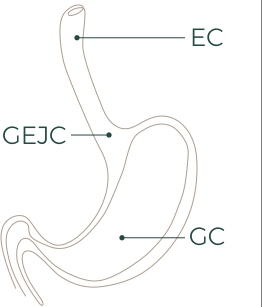
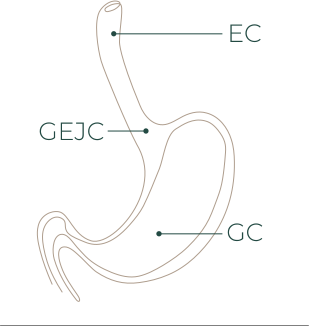
5-year survival rate for patients:
~28–36%

Diagnosed with regional GC, GEJC or EC4,5
~5–7%

If treated at metastatic stage4,5
Patients with resected disease may carry micrometastases that have the potential to increase recurrence and worsen outcomes6,7
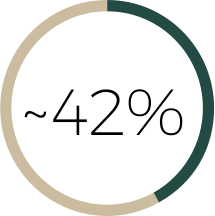
of patients with nonmetastatic gastric cancer had evidence of micrometastases in resected lymph nodes7
In this retrospective study, the 5-year OS rate was ~34% lower in patients with lymph node metastases compared to those without (42% and 76.4%, respectively)7

Micrometastases are undetectable by conventional histological exams; however, they can be present even in histologically T1–2N0 patients, and increase the risk of recurrence6,7

Given the heterogeneity in presentation and high rates of relapse, the National Comprehensive Cancer Network (NCCN) notes that patient monitoring for up to 5 years and additional follow-up after 5 years may be considered based on risk factors and comorbidities8,9
TREATMENT LANDSCAPE
Perioperative (neoadjuvant + adjuvant) FLOT has improved outcomes in patients
with resectable GC/GEJC by preventing micrometastases leading to
POTENTIAL DOWNSTAGING and increasing curative resection
rates and overall survival8,9
2024
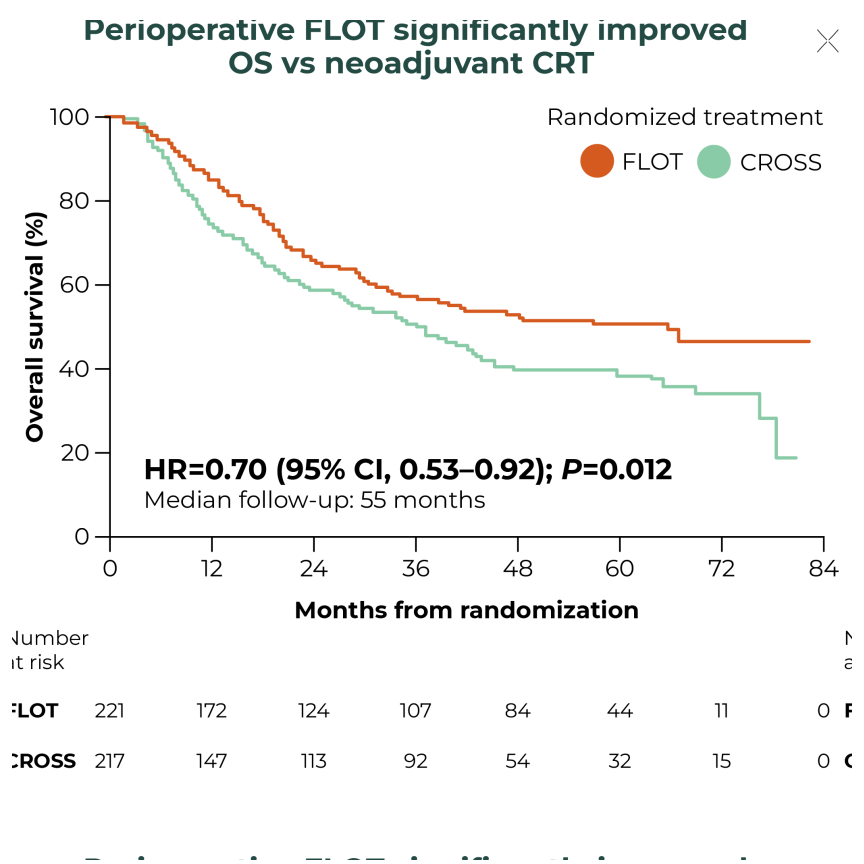
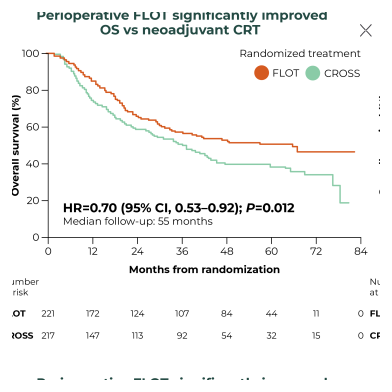
ESOPEC Study9,10
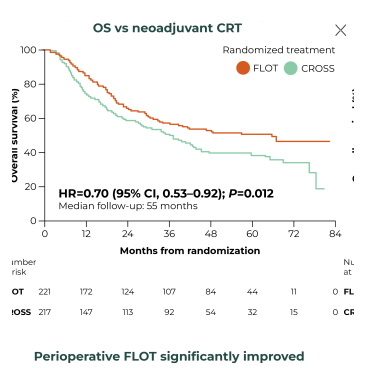
Perioperative FLOT vs neoadjuvant CRT (CROSS) in resectable esophageal adenocarcinoma, including GEJC
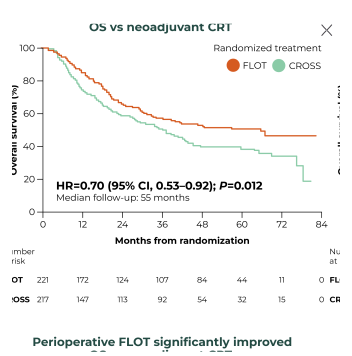
- ESOPEC was a randomized Phase III study evaluating perioperative FLOT vs neoadjuvant CRT (CROSS) in 438 patients with resectable esophageal adenocarcinoma, including GEJC, with a primary endpoint of overall survival9
- Median OS: 66 months (95% CI 36–NR) with perioperative FLOT vs 37 months (95% CI 28–43) with neoadjuvant CRT9
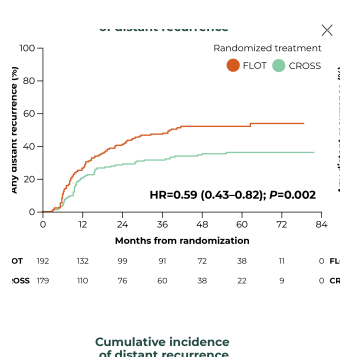
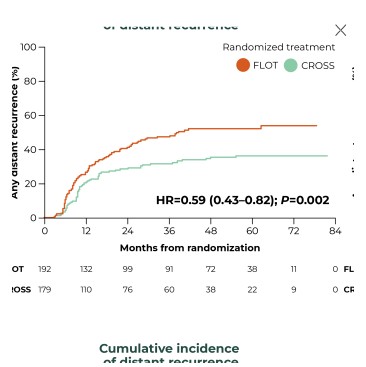
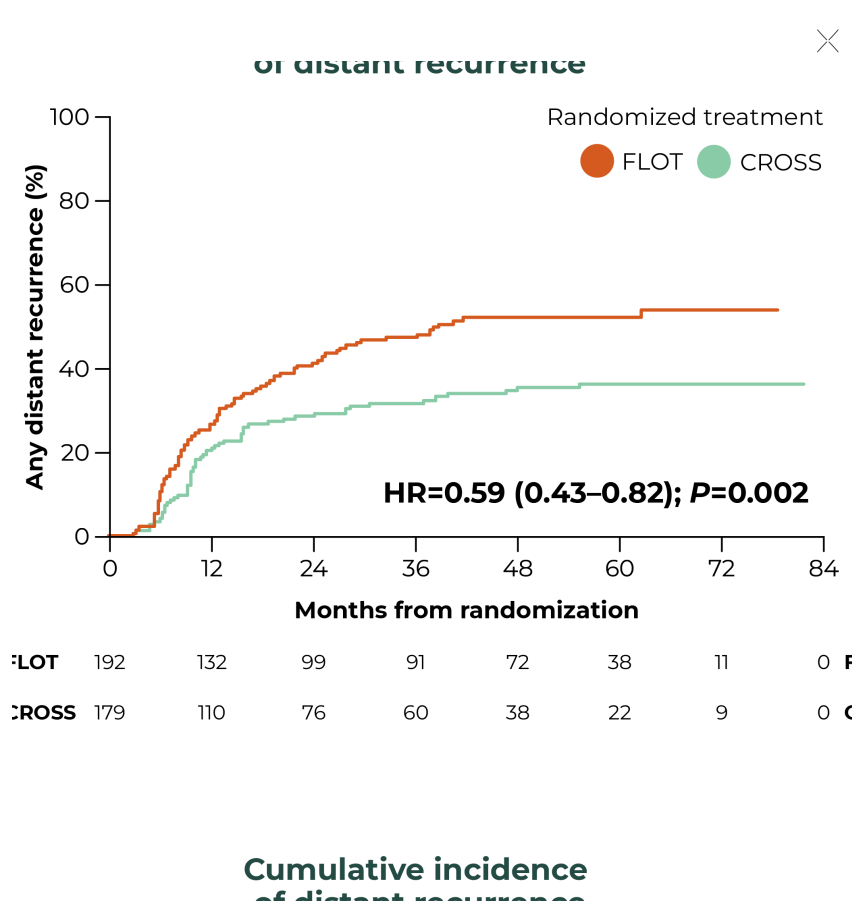
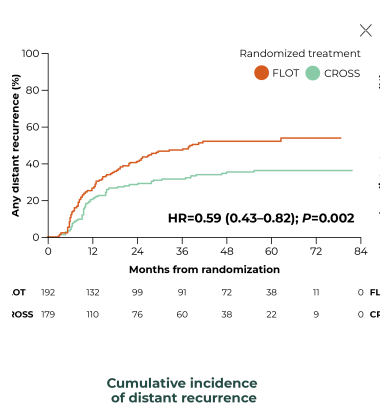
- Distant recurrence (ie, the presence of metastases) was reduced by 41% with perioperative FLOT compared to CRT (HR 0.59; 95% CI 0.43–0.82; P=0.002)10
2019
FLOT4 Study8
Perioperative FLOT vs perioperative ECF/ECX in resectable GC/GEJC
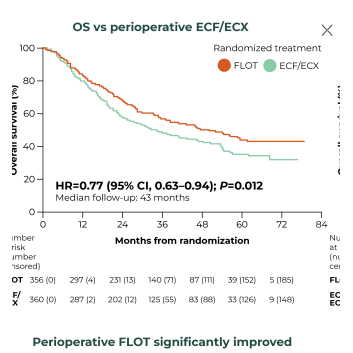
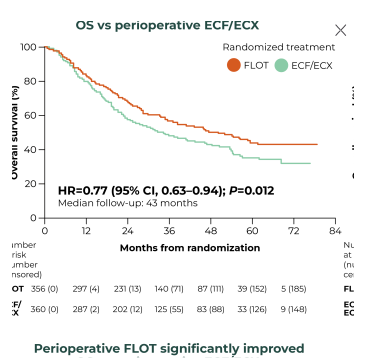
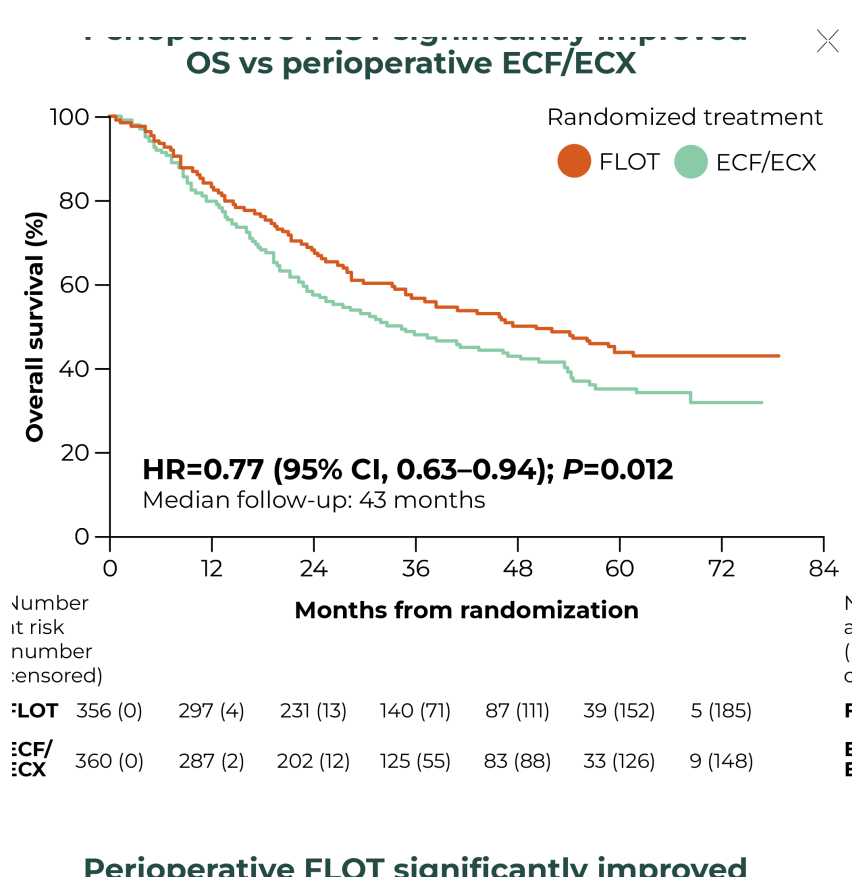
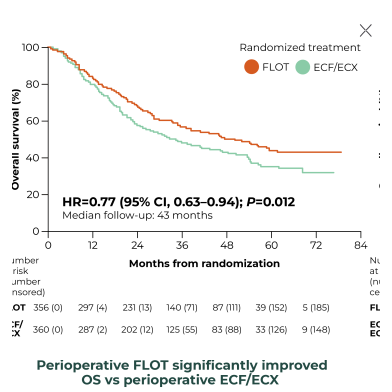
- FLOT4 was a randomized Phase II/III study evaluating perioperative FLOT vs perioperative ECF/ECX in 716 patients with resectable GC/GEJC with a primary endpoint of overall survival8
- Median OS: 50 months (95% CI 38.33-NR) with perioperative FLOT vs 35 months (95% CI 27.35-46.26) with perioperative ECF/ECX8
2015
CROSS Study11,12
CRT CROSS vs surgery alone in resectable GEJC
The CROSS study demonstrated that CRT CROSS was superior to surgery alone in GEJC with improved survival outcomes11,12
2006
MAGIC Study13
Perioperative ECF vs surgery alone in resectable GC/GEJC
The MAGIC study was the first trial to demonstrate that perioperative chemotherapy (ECF/ECX) improved surgical outcomes and reduced tumor burden compared to surgery alone in patients with resectable GC/GEJC13
- ESOPEC was a randomized Phase III study evaluating perioperative FLOT vs neoadjuvant CRT (CROSS) in 438 patients with resectable esophageal adenocarcinoma, including GEJC, with a primary endpoint of overall survival9
- Median OS: 66 months (95% CI 36–NR) with perioperative FLOT vs 37 months (95% CI 28–43) with neoadjuvant CRT9
- Distant recurrence (ie, the presence of metastases) was reduced by 41% with perioperative FLOT compared to CRT (HR 0.59; 95% CI 0.43–0.82; P=0.002)10
- FLOT4 was a randomized Phase II/III study evaluating perioperative FLOT vs perioperative ECF/ECX in 716 patients with resectable GC/GEJC with a primary endpoint of overall survival8
- Median OS: 50 months (95% CI 38.33-NR) with perioperative FLOT vs 35 months (95% CI 27.35-46.26) with perioperative ECF/ECX8
The CROSS study demonstrated that CRT CROSS was superior to surgery alone in GEJC with improved survival outcomes11,12
The MAGIC study was the first trial to demonstrate that perioperative chemotherapy (ECF/ECX) improved surgical outcomes and reduced tumor burden compared to surgery alone in patients with resectable GC/GEJC13
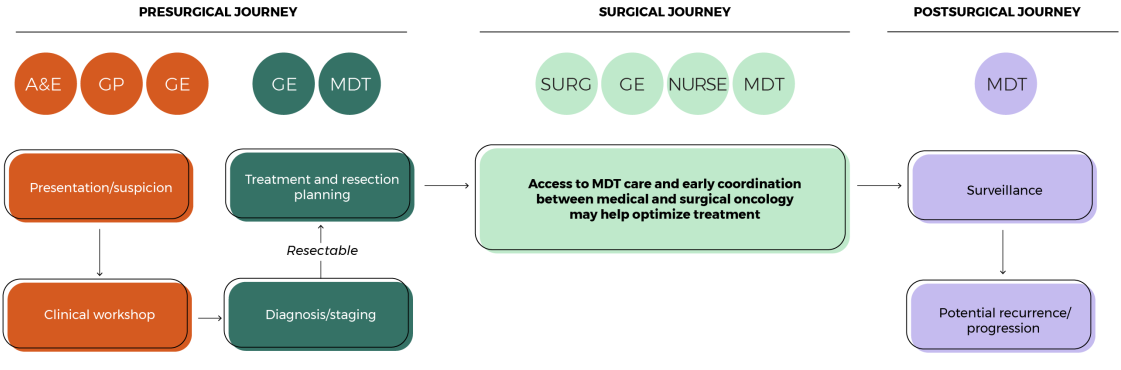
A multidisciplinary approach and surgery are the cornerstones of care for regional and nonmetastatic GC/GEJC14–16


-
/content/dam/intelligentcontent/unbranded/ic-uppergi-nav/us/en/images/desktop/rect-bg-IV.svg
-
/content/dam/intelligentcontent/unbranded/ic-uppergi-nav/us/en/images/desktop/rect-bg-IV.svg


Collaboration between the surgeon, medical oncologist, and the rest of the MDT is essential to devise effective initial treatment plans, guide patient expectations, and ensure the adoption of standard-of-care neoadjuvant and adjuvant therapies.
~ Daniela Molena, MD (Thoracic Surgeon) and Vivian Strong, MD (Surgical Onc.)
Memorial Sloan Kettering Cancer Center
In our opinion, surgeons play a pivotal role in guiding patient expectations and educating them on the importance of neoadjuvant and adjuvant stages in the treatment journey.
~ Daniela Molena, MD (Thoracic Surgeon) and Vivian Strong, MD (Surgical Onc.)
Memorial Sloan Kettering Cancer Center
DISEASE MANAGEMENT
Managing FLOT-associated toxicity
The FLOT4 clinical trial protocol includes an overview of how to handle common FLOT-associated toxicities8

Hematologic toxicity: if patients experienced febrile neutropenia (despite the use of G-CSF), thrombocytopenia causing bleeding or any other dose-limiting toxicity (DLT) then oxaliplatin and docetaxel were dose reduced. If DLTs continued then the dose was reduced to 50%8

Renal toxicity: if creatine clearance was reduced to >40 mL/min but >30 mL/min, patients received hyperhydration for up to 48 hours8
- If reduced renal function persisted, oxaliplatin was reduced to 75% of the initial dose8
- If patients had creatine clearance <30 mL/min oxaliplatin treatment was reduced8

In the case of non-hematologic toxicities Grade ≥3: the dose of the chemotherapeutic agent likely responsible was reduced to 75% of the initial dose. If the toxicity repeated, then the agent was reduced to 50% or discontinued with numerous repeated occurrences8
Supportive antiemetic therapies were used the day before FLOT was given to patients and subsequently on days 1–38
Dose adjustment in case of oxaliplatin-related neurotoxicity8
NeurotoxicityDuration of neurotoxicity
≤ 7 days
>7 and <14 days
Present between cycles
Cold-induced dyaesthesia
No change
No change
No change
Paraesthesia
No change
No change
Reduction to 75%
Paraesthesia with pain
No change
Reduction to 75%
Stop oxaliplatin* Consider dose reduction docetaxel/5-FU/LV
Paraesthesia with functional impairment
No change
Reduction to 50%
Stop oxaliplatin* Continue docetaxel/5-FU/LV
*Usually, discontinuation will be permanent. Nevertheless, administration of oxaliplatin can be resumed (eg, after complete recovery from the related symptoms) if the investigator decides that this is in the best interest of the patient and they do not expect the toxicity to reoccur.
In my opinion, patients who can handle surgery can typically handle at least an initial round of FLOT before dose modification.
~ Anwaar Saeed, MD (Chair of FLOT Delphi Consensus, Med. Onc.)
University of Pittsburgh Medical Center
The more experience HCPs gain with FLOT, the better they are able to manage toxicities; this could lead to greater survival benefit by allowing patients to remain on FLOT for longer.
~ Anwaar Saeed, MD (Chair of FLOT Delphi Consensus, Med. Onc.)
University of Pittsburgh Medical Center
Malnutrition may be of particular concern for patients with GC/GEJC17,18
~75% of patients
with GC/GEJC
are malnourished, which sets the
stage for poorer
surgical outcomes,
QoL and survival17
Less than 50% of cancer patients undergo early nutritional evaluation, and almost 2 out of 3 receive no nutritional intervention18

Nutritional support prepares the body for treatment and reduces complications17,18

Monitor for signs and symptoms of malnutrition before, during, and after treatment17,18

Patients with GC/GEJC who are malnourished may undergo metabolic stress that can lead to reduced tolerance to cytotoxic drugs17,18
Abbreviations
5-FU=fluorouracil; A&E=accident and emergency; CI=confidence interval; CROSS=chemoradiotherapy for oesophageal cancer followed by surgery; CRT=chemoradiotherapy; DLT=dose-limiting toxicity; EC=esophageal cancer; ECF=epirubicin, cisplatin and fluorouracil; ECX=epirubicin, cisplatin and capecitabine; FLOT=fluorouracil, leucovorin, oxaliplatin and docetaxel; G-CSF=granulocyte-colony stimulating factor; GC=gastric cancer; GE=gastroenterologist; GEJ=gastroesophageal junction; GEJC=gastroesophageal junction cancer; GI=gastrointestinal; GP=general practice; HR=hazard ratio; ICI=immune checkpoint inhibitor; LV=leucovorin; LVI=lymphovascular invasion; MDT=multidisciplinary team; MMR=mismatch repair; MSI-H=microsatellite instability-high; NR=not reached; OS=overall survival; QoL=quality of life; Surg=surgeon; US=United States.
References
1. Yang WJ, Zhao HP, Yu Y, et al. Updates on global epidemiology, risk and prognostic factors of gastric cancer. World J Gastroenterol. 2023;29(16):2452-2468. 2. American Cancer Society. What is stomach cancer? Available at: https://www.cancer.org/cancer/types/stomach-cancer/about/what-is-stomach-cancer.html. Accessed June 26, 2025. 3. National Cancer Institute. What is esophageal cancer? Available at: https://www.cancer.gov/pediatric-adult-rare-tumor/rare-tumors/rare-digestive-system-tumors/esophageal#:~:text=Esophageal%20cancer%20is%20a%20type,part%20of%20the%20digestive%20system. Accessed June 26, 2025. 4. American Cancer Society. Survival rates for esophageal cancer. Available at: https://www.cancer.org/cancer/types/esophagus-cancer/detection-diagnosis-staging/survival-rates.html. Accessed June 26, 2025. 5. American Cancer Society. Stomach cancer survival rates. Available at: https://www.cancer.org/cancer/types/stomach-cancer/detection-diagnosis-staging/survival-rates.html/. Accessed June 26, 2025. 6. Liu D, et al. The patterns and timing of recurrence after curative resection for gastric cancer in China. World J Surg Oncol. 2016;14(1):305. 7. Li Y, et al. Clinical significance of lymph node micrometastasis in pN0 gastric cancer patients. Gastroenterol Res Pract. 2021;6854646. 8. Al-Batran SE, et al. Perioperative chemotherapy with fluorouracil plus leucovorin, oxaliplatin, and docetaxel versus fluorouracil or capecitabine plus cisplatin and epirubicin for locally advanced, resectable gastric or gastro-oesophageal junction adenocarcinoma (FLOT4): a randomised, phase 2/3 trial. Lancet. 2019;393(10184):1948-1957. 9. Hoeppner J, et al. Perioperative chemotherapy or preoperative chemoradiotherapy in esophageal cancer. N Engl J Med. 2025;392(4):323-335. 10. Hoeppner J, et al. Recurrence patterns in the prospective, randomized, controlled, multicenter phase III ESOPEC trial comparing perioperative chemotherapy with preoperative chemoradiotherapy in patients with esophageal adenocarcinoma. Presented at ASCO 2025; 30 May–3 June; Chicago, IL. Presentation #4014. 11. Eyck BM, et al. Ten-year outcome of neoadjuvant chemoradiotherapy plus surgery for esophageal cancer: the randomised controlled CROSS trial. J Clin Oncol. 2021;39(18):1995–2004. 12. Wong I, Law S. The CROSS road in neoadjuvant therapy for esophageal cancer: long-term results of CROSS trial. Transl Cancer Res. 2016;5:S415–S419. 13. Cunningham D, et al. Perioperative Chemotherapy versus Surgery Alone for Resectable Gastroesophageal Cancer. N Engl J Med. 2006;355:11–20. 14. Boniface MM, et al. Multidisciplinary management for esophageal and gastric cancer. Cancer Manag Res. 2016;8:39–44. 15. Taberna M, et al. The multidisciplinary team (MDT) approach and quality of care. Front Oncol. 2020;10:85. 16. Sugaware K, et al. Multidisciplinary treatment strategy for locally advanced gastric cancer: A systematic review. Surg Oncol. 2021;38:101599. 17. Serra F, et al. Nutritional support management in resectable gastric cancer. Drugs Context. 2022;11:2022-5-1. 18. Bossi P, et al. Malnutrition management in oncology: An expert view on controversial issues and future perspectives. Front Oncol. 2022;12:910770.
Join our community
Sign up for the latest news, resources and educational materials.